

Dev Nair
  • 0
  • 0

  1. Quick follow-up checklist (easy steps): Charge both phones (at least 50%) and connect to Wi-Fi Keep both phones close and start setup on the new phone Choose “Transfer data” → use brand tool (like Samsung Smart Switch or Quick Start) or Google/iCloud backup Select what to copy (contacts, photos, appRead more

    Quick follow-up checklist (easy steps):

    • Charge both phones (at least 50%) and connect to Wi-Fi
    • Keep both phones close and start setup on the new phone
    • Choose “Transfer data” → use brand tool (like Samsung Smart Switch or Quick Start) or Google/iCloud backup
    • Select what to copy (contacts, photos, apps, WhatsApp, etc.)
    • Wait till transfer completes—don’t disconnect or lock screen
    • After done, check important data (contacts, gallery, apps login)
    • Sign in to apps again if needed and update backup on new phone
    See less
Dev Nair
  • 0
  • 0

  1. Running out of money before the month ends usually isn’t about low income—it’s about lack of tracking and planning. Here’s a simple, practical way to fix it: 1. Track Every Rupee (Awareness First) Start writing down all your daily expenses—no matter how small. Why it works:You’ll quickly see where yRead more
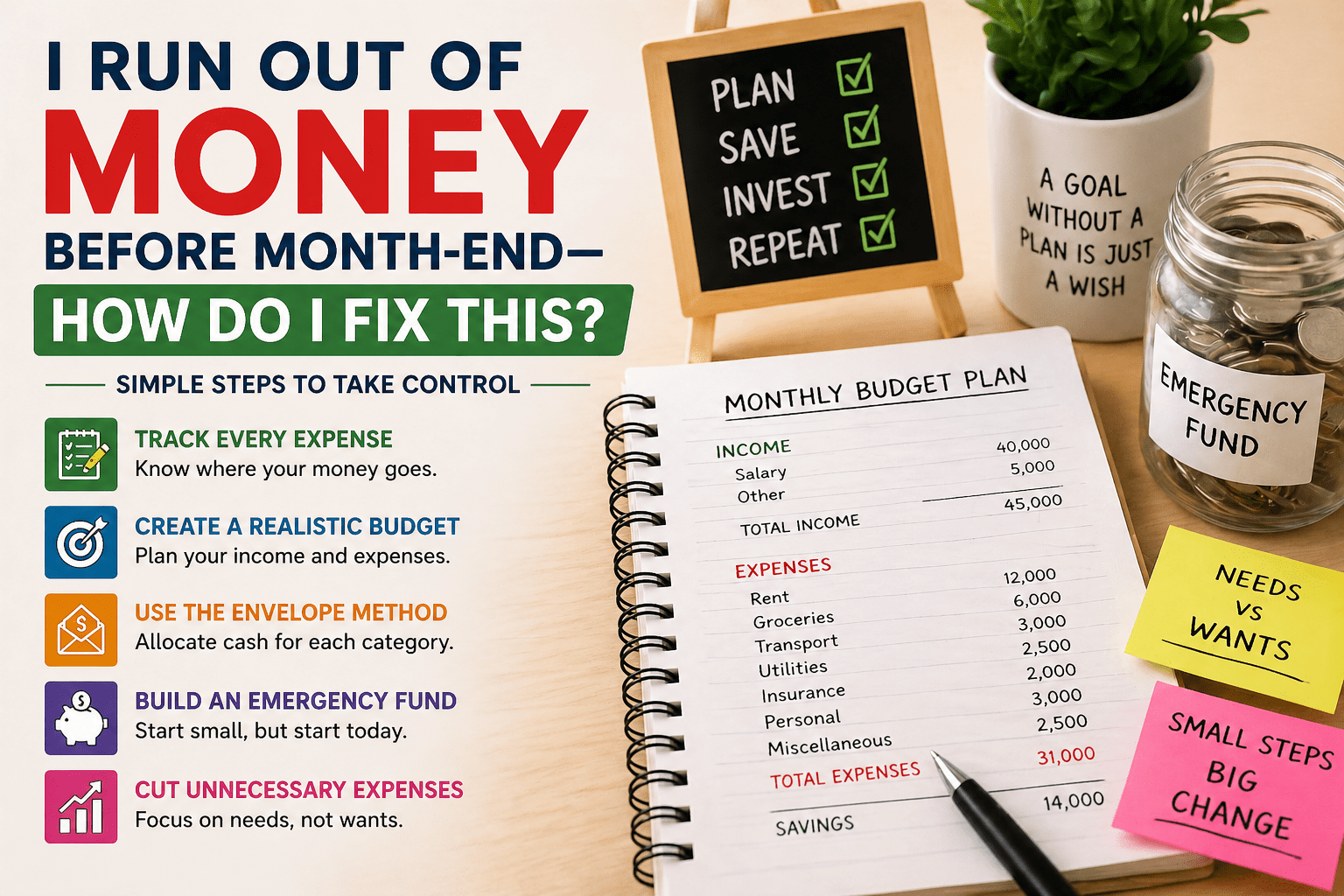
    Running out of money before the month ends usually isn’t about low income—it’s about lack of tracking and planning. Here’s a simple, practical way to fix it:


    1. Track Every Rupee (Awareness First)

    Start writing down all your daily expenses—no matter how small.

    Why it works:
    You’ll quickly see where your money is leaking (snacks, online orders, random spends).

    Even 5–7 days of tracking can reveal the problem.

     2. Create a Simple Monthly Budget

    Divide your income into fixed categories:

    • Rent / Bills
    • Food
    • Travel
    • Savings
    • Personal spending

     Rule: Income – Savings = Expenses (not the opposite)

     3. Use the Envelope Method

    Take cash and divide it into categories:

    • Food
    • Travel
    • Shopping

    When the envelope is empty → stop spending
    This builds instant discipline.


     4. Cut Invisible Expenses”

    These are the real killers:

    • Daily snacks / Swiggy / Zomato
    • Subscriptions you don’t use
    • Impulse shopping

    👉 Small daily spends = big monthly loss


    🧠 5. Follow “Needs vs Wants” Rule

    Before spending, ask:

    • Do I need this?
    • Or do I just want it?

    👉 This single habit can save 20–30% money


    🏦 6. Build a Small Emergency Fund

    Start with:

    • ₹500–₹1000 per month

    👉 This prevents you from going broke in emergencies

    See less
Dev Nair
  • 1
  • 1

  1. A simple way to track expenses without using apps is to write down everything you spend in a small notebook each day. This method works because it makes you more aware of your spending habits, helping you control unnecessary expenses. You can also use the cash envelope system, where you divide yourRead more

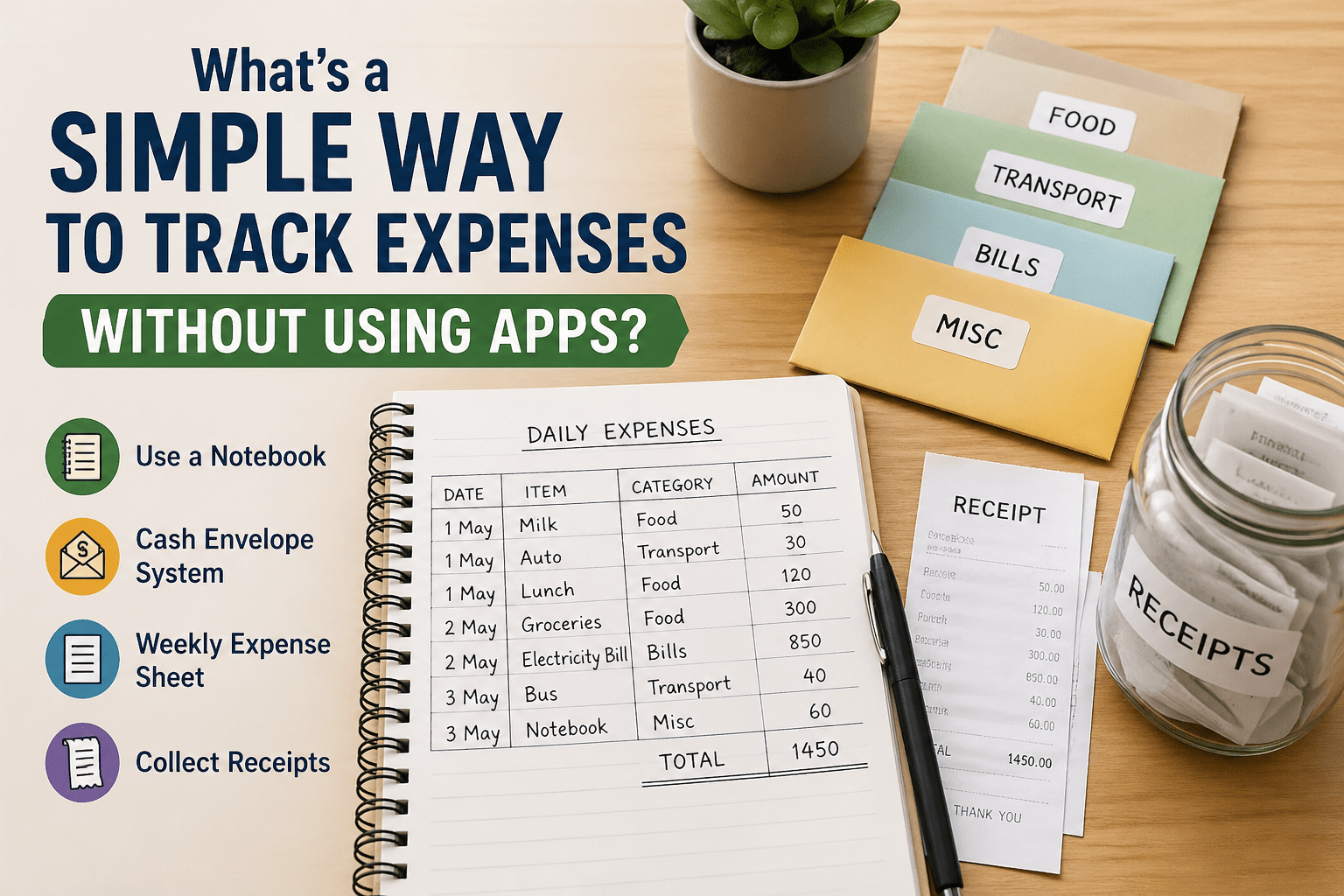
    A simple way to track expenses without using apps is to write down everything you spend in a small notebook each day. This method works because it makes you more aware of your spending habits, helping you control unnecessary expenses. You can also use the cash envelope system, where you divide your money into categories like food, travel, and bills—once an envelope is empty, you stop spending in that category. These offline methods are easy, effective, and build strong financial discipline over time

    See less